
A Layered Approach to Wildfire Resilience
A Layered Approach to Wildfire Resilience
Wildfire protection works best when it is layered.
No single action — and no single product — can eliminate wildfire risk.
However, when multiple mitigation strategies are combined, the likelihood of preventable structure loss can be significantly reduced.
This page explains how layered protection works and where active structure protection systems fit within that strategy.
The Layered Protection Approach
Shifting the Odds Before Fire Arrives
Wildfire doesn’t need to reach your home to destroy it. A layered approach reduces vulnerabilities before embers arrive—combining landscape management, home hardening, preparedness, and active protection to shift the odds in your favor.
1. Landscape and Fuel Management
Reduce fire intensity before it reaches your home
Managing vegetation and debris around your property limits available fuel and slows fire spread, helping protect your structure from flames and embers.
2. Home Hardening
Strengthen your home against ignition
Upgrading key areas like roofs, vents, and siding helps prevent embers from entering or igniting your home during wildfire exposure.
3. Preparedness and Planning
Be ready when every minute matters
Having a clear evacuation plan, emergency supplies, and awareness of local conditions allows you to respond quickly and safely during a wildfire.
4. Active Structure Protection
Add a layer of defense during high-risk conditions
Systems like rooftop sprinklers help reduce ignition risk by keeping surfaces wet and supporting protection when embers are present.
Active Structure Protection
What These Systems Are — and Are Not
Active structure protection systems are designed to operate before or during ember exposure, not during direct flame contact.
Their purpose is to:
-
Reduce ignition from wind-driven embers
-
Wet vulnerable surfaces where embers commonly land
-
Increase localized humidity near the structure
They are not fire suppression systems, and they do not replace defensible space, home hardening, or evacuation planning.
Used correctly, they can be one part of a broader wildfire resilience strategy.
Purpose-Built for Ember Exposure
The SPS2400 rooftop sprinkler is designed to support layered wildfire protection by addressing one of the most common ignition pathways: rooflines and upper structure surfaces.
What the SPS2400 is designed to do:
-
Deliver water coverage to roof surfaces where embers commonly land
-
Support early activation during ember exposure events
-
Increase surface moisture and localized humidity
-
Integrate with homeowner preparedness plans
What it is not designed to do:
-
Stop an advancing flame front
-
Replace defensible space or fire-resistant construction
Understanding these boundaries is essential to responsible use.

When a Rooftop System May Be Appropriate
Active rooftop systems may be considered when:
-
A property is located in a wildfire-prone region
-
Ember exposure is a primary concern
-
Defensible space and home hardening measures are already in place
-
Water supply and access allow for safe operation
-
Homeowners are prepared to activate the system early
They are most effective when installed in advance and used intentionally, not as a last-minute response.
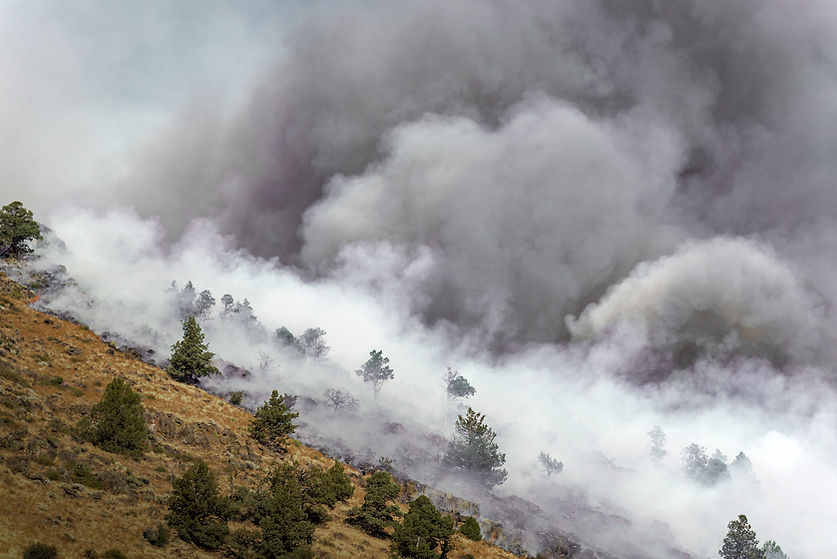
Layered Protection in Practice
Reducing Preventable Loss
Layered wildfire protection does not guarantee that a structure will survive. What it does is reduce preventable ignition pathways, improve firefighter safety, and increase the likelihood that a home withstands ember exposure as conditions escalate.